
Today the name Porsche means sports cars. But the man who gave the brand his name designed far more: one of the world’s first hybrid cars, legendary Mercedes, racing cars that dominated the 1930s, and the best-selling car of the 20th century. Ferdinand Porsche’s life is one of genius, but also dark in places.
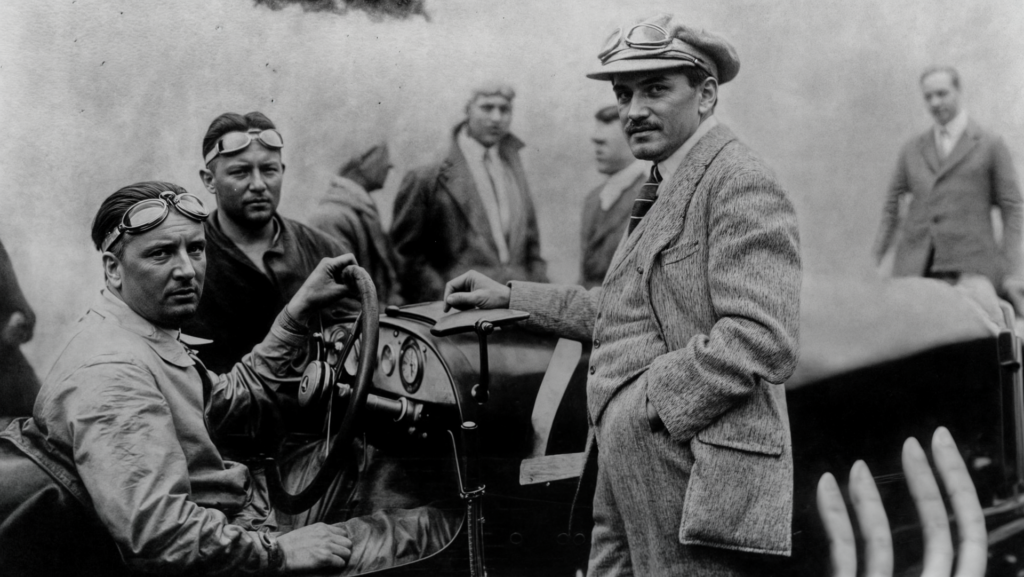
Photo: Unknown photographer / Wikimedia Commons, Public domain
A self-taught engineer
Ferdinand Porsche was born in 1875 in Bohemia, in today’s Czech Republic, the son of a craftsman. He never formally studied engineering. He attended lectures where he could and learned mostly by working. At 25, in 1900, he showed the electric Lohner-Porsche at the Paris World’s Fair, with electric motors inside the wheel hubs. Soon after he built a version with a petrol engine charging the electric motors, essentially a hybrid, almost a century before the Toyota Prius.
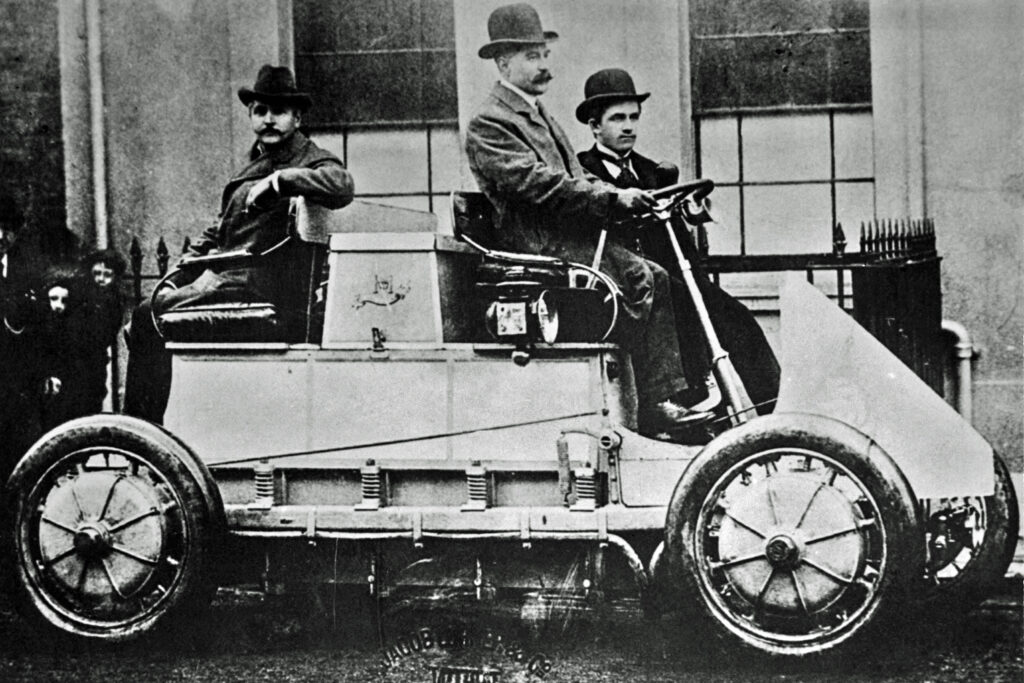
Photo: Unknown photographer / Wikimedia Commons, Public domain
Austro-Daimler and Mercedes
In the following decades Porsche became technical director of Austro-Daimler and then of Daimler in Stuttgart. There he worked on the legendary Mercedes-Benz S, SS and SSK, big, powerful supercharged sports cars that won races all over Europe. His character, however, was difficult, and clashes with management were frequent.
His own design office
In 1931 he founded his own design office in Stuttgart, designing cars for others. For Auto Union he designed racing cars with a 16-cylinder engine mounted behind the driver, a radical idea for the time. Together with Mercedes, the Auto Union “Silver Arrows” dominated Grand Prix racing in the 1930s.
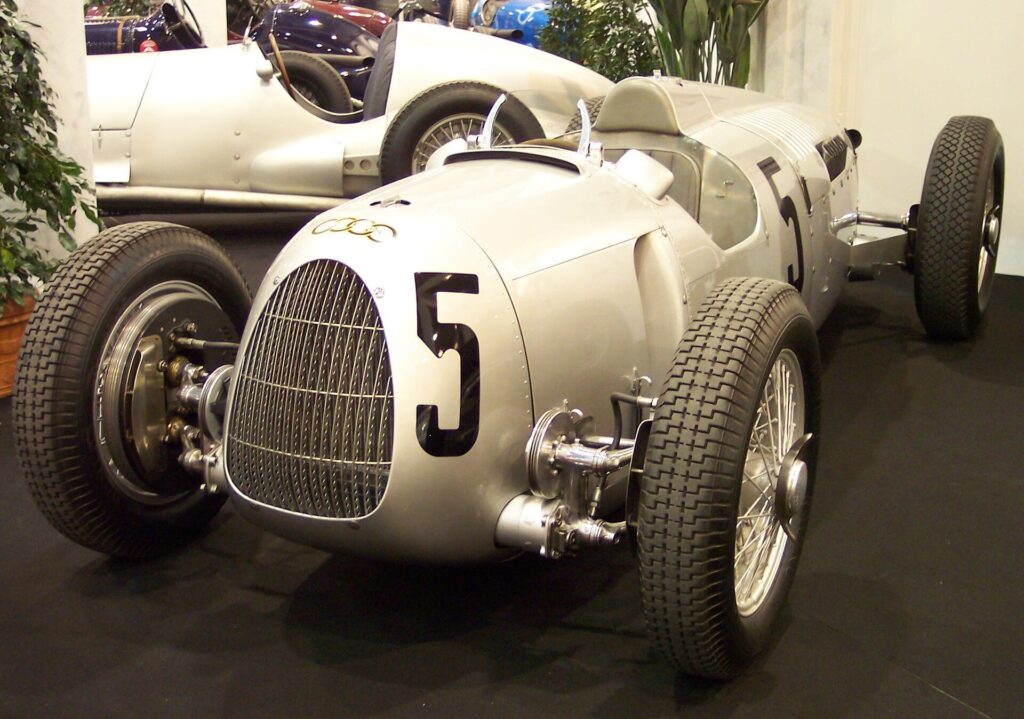
Photo: No machine-readable author provided. Stahlkocher assumed (based on copyright claims). / Wikimedia Commons, CC BY-SA 3.0
The Beetle and the dark side
His best-known design was the “people’s car”, later the Volkswagen Beetle. But the project was funded by the Nazi regime, and Porsche worked closely with it. During the war his office designed military vehicles, and forced labourers were used in the factories. It is a side of the story we should not forget.
After the war Porsche was imprisoned in France for almost two years. To pay the bail for his release, his son Ferry took on the design of a racing car for the Italian company Cisitalia.
The 356 and the legacy
While his father was in prison, Ferry Porsche started the first car to carry the family name, the 356, in Gmünd, Austria. Ferdinand saw it finished and is said to have remarked that he would have built it exactly the same way. He died in January 1951.
He never saw the 911, designed by his grandson Ferdinand Alexander “Butzi” Porsche, nor the Volkswagen Group become one of the largest carmakers in the world, led for years by another grandson, Ferdinand Piëch. But his legacy lives on in millions of cars still on the road today.
P.Kefalas