
For Porsche purists, 1998 was a dark year. The 911 lost its air-cooled engine. Many said it was the end of the real 911. Almost thirty years later, the water-cooled 911 has sold far more than the air-cooled one, has won countless races and remains the benchmark for every sports car. Let us see how it did it.
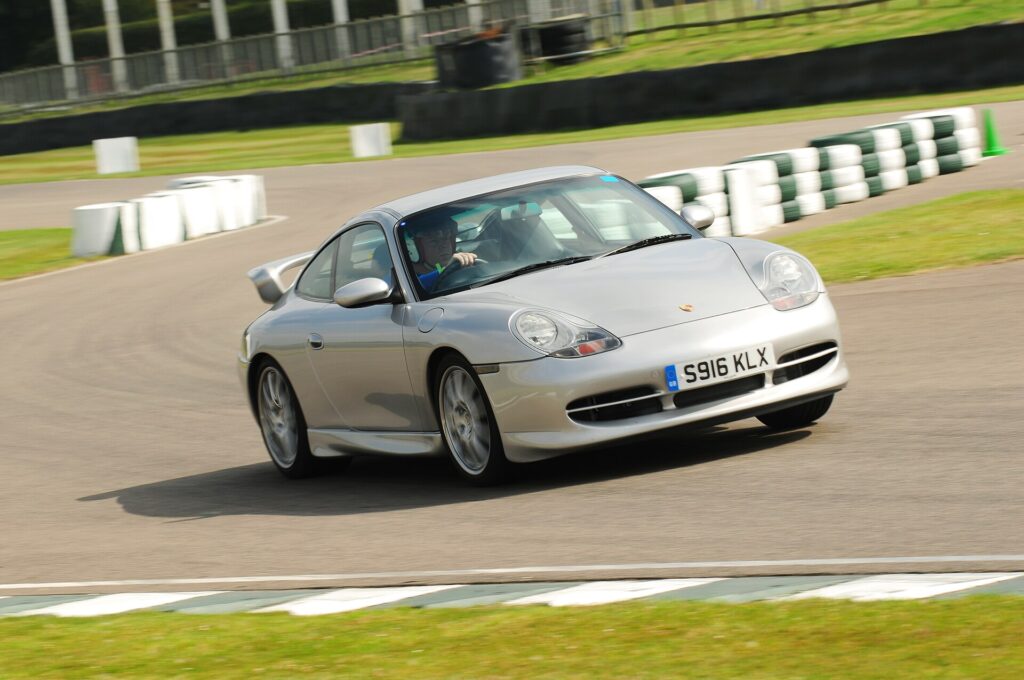
Photo: Ultegra / Wikimedia Commons, CC BY-SA 4.0
996: the necessary revolution
In the mid-1990s Porsche was in financial crisis. The air-cooled engine could no longer meet new emissions and noise rules, and the 911 was expensive to build. The answer was a completely new 911, the 996, unveiled in 1997.
It had a water-cooled flat-six and was bigger, more comfortable and faster. But it shared many parts with the smaller, cheaper Boxster, including the front headlights, which fans mockingly called “fried eggs”. The 996 was the right choice to save the company, but for years it was the most unloved 911. Today the GT3 and Turbo versions, with Hans Mezger’s racing-derived engine, are highly sought after.
997: the apology
In 2004 came the 997, and customers got back the round headlights they loved. The interior improved and the lines moved closer to the classic 911. Many consider the 997 the most balanced modern 911: modern enough to drive every day, analogue enough to feel the road. The 997 GT3 RS is now one of the most expensive modern Porsches.
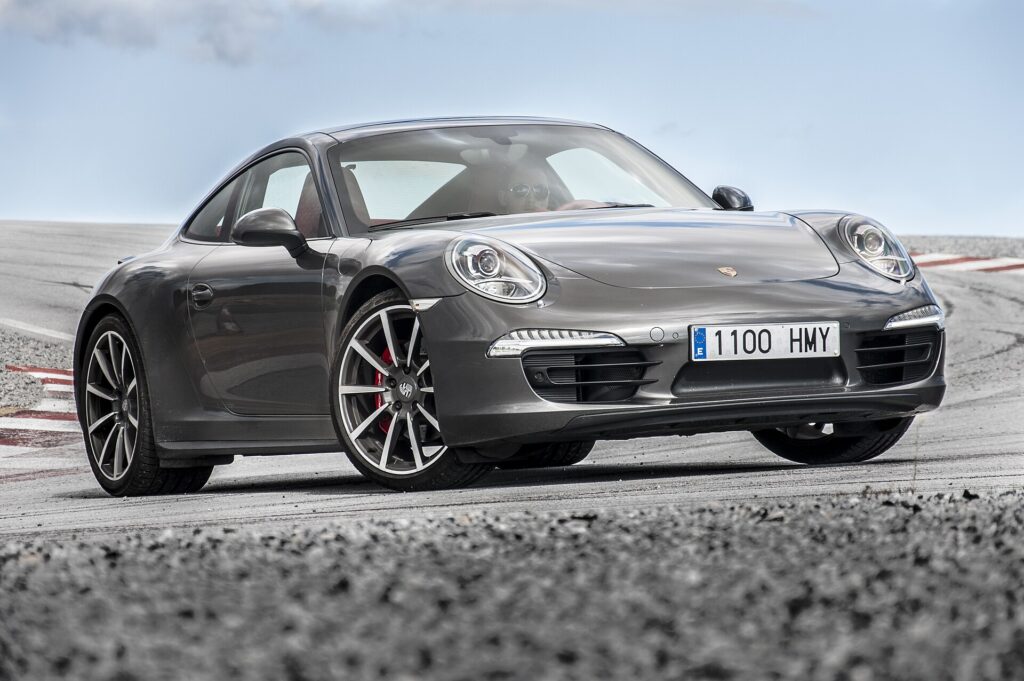
Photo: David Villarreal Fernández / Wikimedia Commons, CC BY-SA 2.0
991: bigger and smarter
The 2011 991 was a big step. A longer wheelbase, a lighter aluminium-and-steel body, electric power steering and more technology than ever. Some complained that the 911 had become too “easy”. Porsche answered with the 2016 911 R, with a manual gearbox and GT3 engine, which instantly became a collector’s item. In May 2017 the millionth 911 rolled off the production line.
992: the eighth generation
The 2019 992 became wider, with bigger rear wheels and a more digital interior. The GT3 and GT3 RS versions brought racing technology to road cars, and the 2024 update brought a hybrid system to a production 911 for the first time.
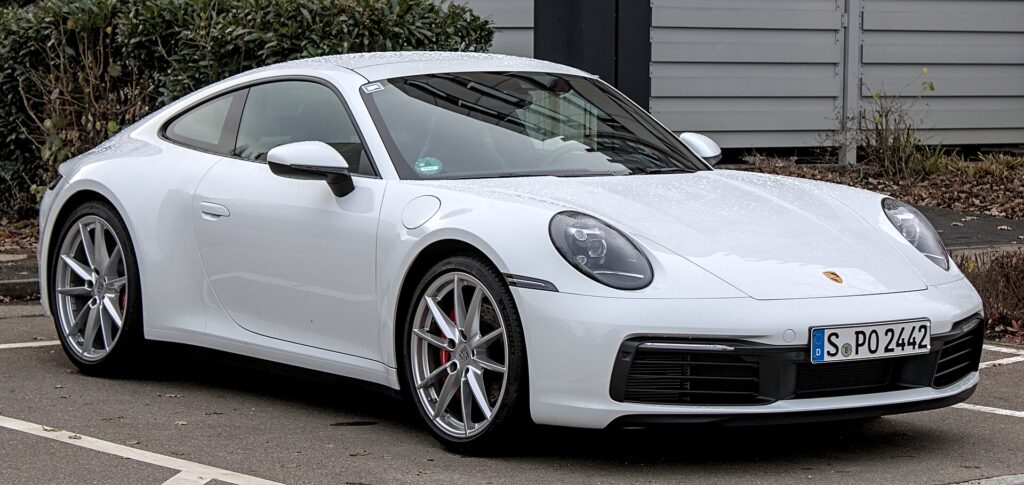
Photo: Alexander Migl / Wikimedia Commons, CC BY-SA 4.0
What stayed the same
From the 1963 901 to today’s 992, some things have never changed: the flat-six behind the rear axle, the roofline that slopes gently to the tail, the round headlights and the idea that a sports car can also be an everyday car. That is the real charm of the 911: it changes constantly, but it never stops being a 911.
And for anyone looking for an affordable way into the world of the 911 today, the once-unloved 996 may be the smartest buy. With a careful service history, of course.
P.Kefalas