
Buying a classic car is one of the most exciting decisions a car enthusiast can make. It is also one of the easiest ways to make an expensive mistake. Enthusiasm clouds judgement, and shiny paint can hide many problems. Here are ten things worth knowing before you hand over your money.
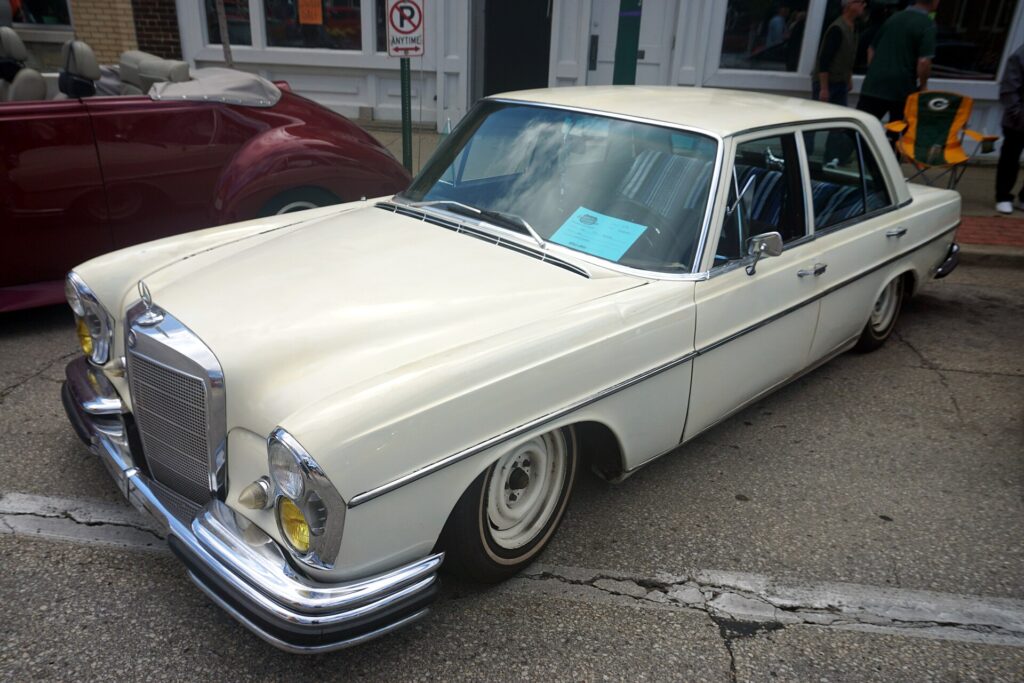
Photo: Michael Barera / Wikimedia Commons, CC BY-SA 4.0
1. Know what you want and why
Do you want a car for weekend drives, for shows, for historic rallies or to restore yourself? The answer changes a lot about what you should look for. A car for regular use needs reliability. A car for concours needs originality.
2. The budget is not just the purchase price
Allow at least 20 to 30 per cent above the purchase price for initial costs: servicing, tyres, brakes, small repairs. Even a good classic will need something in its first year.
3. Learn the model before you see it
Every classic has its known weak points: places that rust, engines with specific weaknesses, parts that are hard to find. Read buying guides, join forums and model clubs. Owners are usually happy to share what they learned the hard way.
4. Rust is enemy number one
An engine can be rebuilt fairly easily. Rust in the body and chassis is the most expensive problem. Look underneath the car, at the sills, the floor, the suspension mounting points and under the mats. Beware of freshly painted cars: new paint can hide filler.
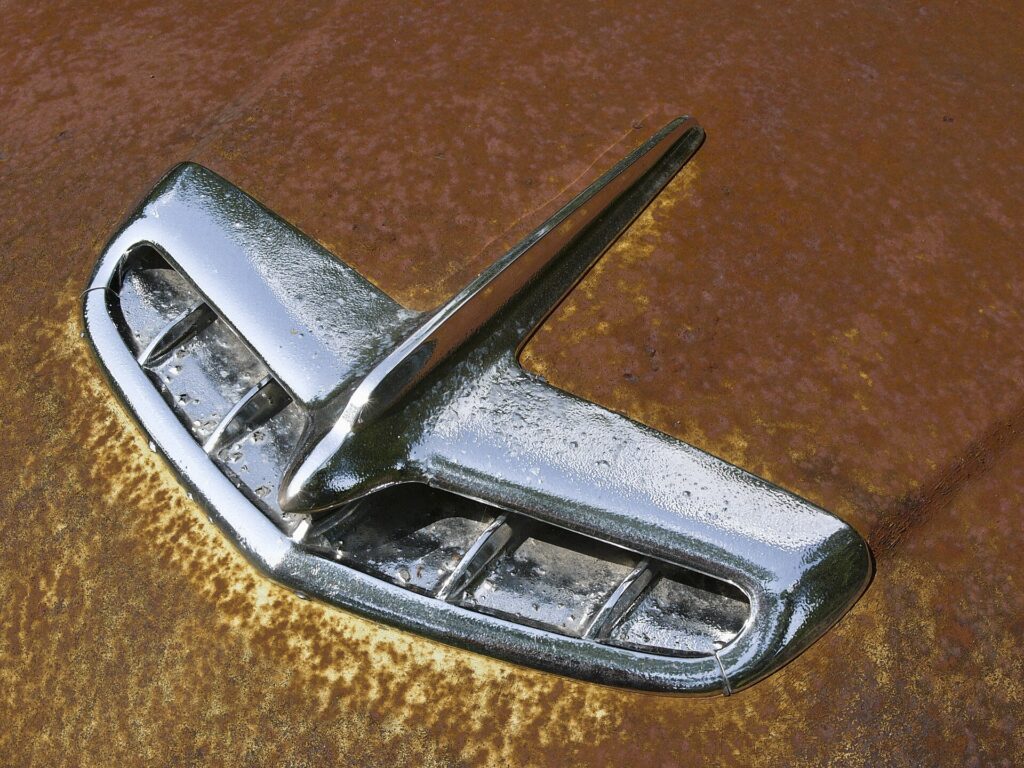
Photo: Hannes Grobe / Wikimedia Commons, CC BY-SA 4.0
5. Paperwork, history and numbers
Check that the chassis and engine numbers match the documents. A car with a full history, invoices, old registration papers and photos is worth more and easier to sell. If anything in the paperwork is unclear, do not proceed until it is cleared up.
6. Original or modified?
A car with its original engine and original specification usually holds its value better. Modifications can make it more practical, but ideally they should be reversible.
7. Parts and mechanics
Before you buy, find out whether parts are available and what they cost, and whether there is a mechanic near you who knows the model. A rare car can be cheap to buy and very expensive to maintain.
8. Take an expert with you
An experienced mechanic or club member will see things you will miss. Ask to see the engine started from cold, take a test drive and listen for strange noises.
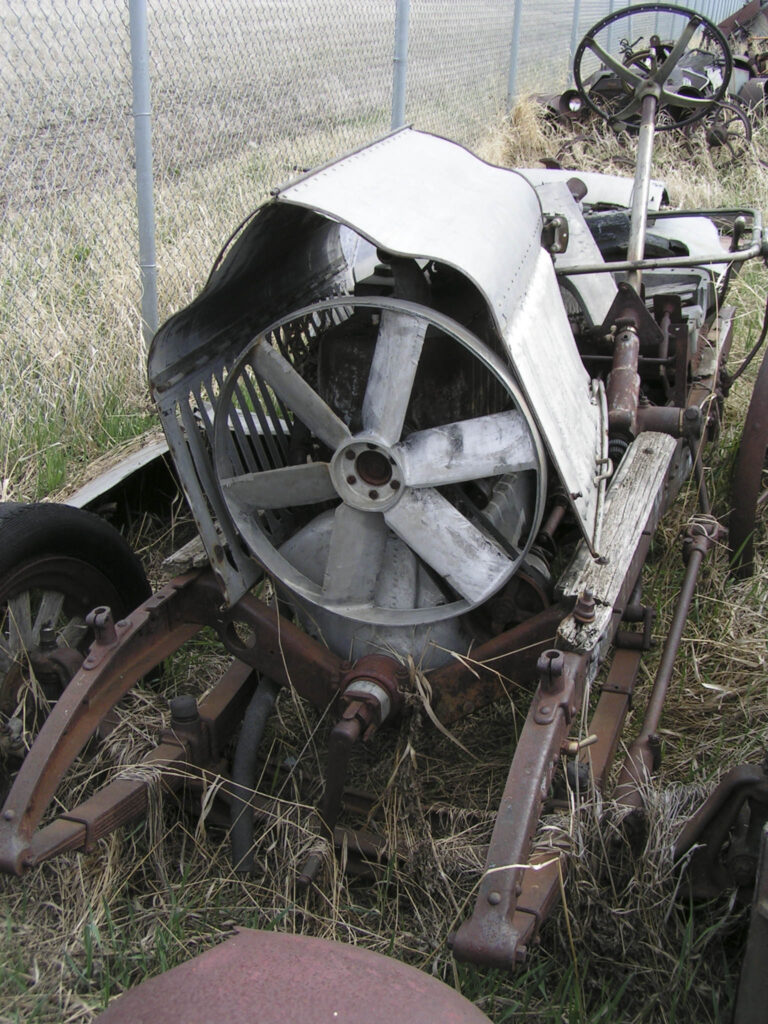
Photo: dave_7 from Lethbridge, Canada / Wikimedia Commons, CC BY-SA 2.0
9. Insurance and historic status
In Greece, as in other countries, an older car can gain historic vehicle status through certification by a recognised club. This usually brings advantages in road tax and insurance, but also restrictions on use. Ask a club about the current rules before you buy. All the details, step by step, are in our complete guide to historic plates in Greece.
10. Buy the best you can afford
It is almost always cheaper to buy a good car than to fix a bad one. A full restoration often costs far more than the value of the finished car. And most importantly: do not fall in love with the first car you see. There will be others.
With a little patience and proper preparation, your classic can give you years of pleasure. And that, in the end, is the point.
P.Kefalas