
Restoring a classic car is one of the most satisfying things a car enthusiast can do. But it is also a long journey that demands time, money, patience and very good organisation. Many projects start with enthusiasm and end up half-finished in a corner of the garage. This guide will help yours not to become one of them.
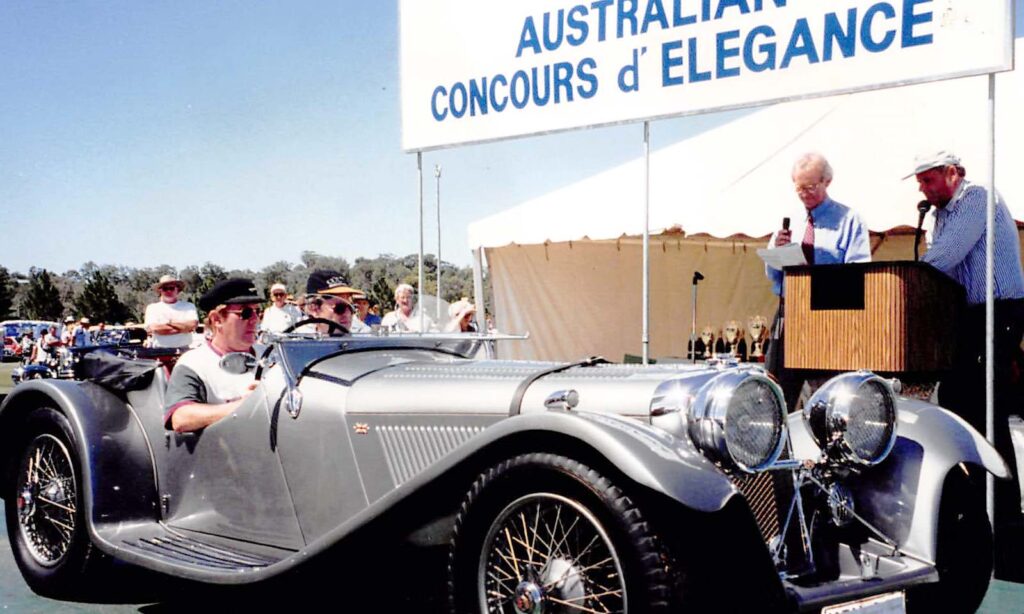
Photo: Finch Motor Company / Wikimedia Commons, CC BY-SA 3.0
1. Decide the goal
Before you undo the first bolt, decide what you want to achieve. A car to drive and enjoy? A concours car, original down to the last detail? Or a “restomod”, with classic looks and modern mechanicals? Each goal has a different cost and a different way of working.
2. Budget and time
Make a realistic budget and then add a generous margin. Almost every restoration costs more and takes longer than planned. Also decide which jobs you will do yourself and which you will give to specialists.
3. Photos, notes, labels
Before and during disassembly, photograph everything. Put small parts in labelled bags and keep notes. When the time comes for every bolt to go back in its place, years may have passed. Your photos will be your best guide.
4. The body first
The body is usually the biggest and most expensive job. The best practice is to strip the old paint down to bare metal, by blasting or chemical stripping, so the real condition can be seen. Rusty metal is cut out and replaced with new, not just covered with filler. Then come primer, preparation and paint.
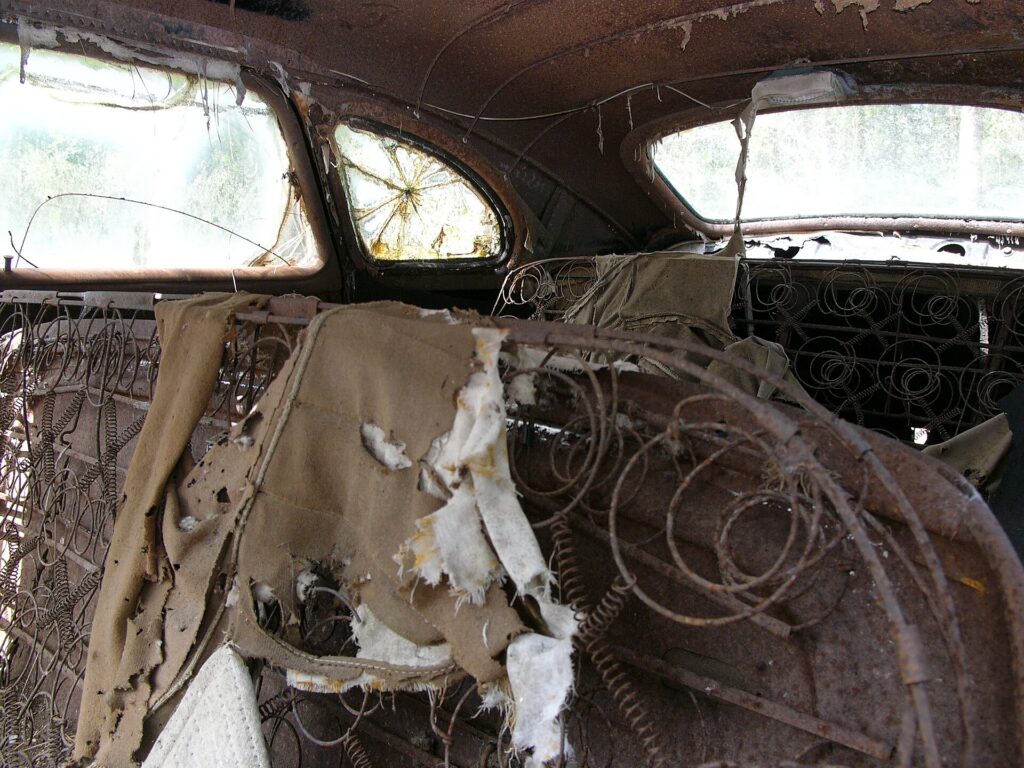
Photo: Hannes Grobe / Wikimedia Commons, CC BY-SA 4.0
5. The mechanicals
The engine, gearbox, suspension and brakes are dismantled, checked and rebuilt. Do not economise on brakes and steering. It is a matter of safety. It is often worth replacing all the rubber parts, hoses and bearings, even if they look fine.
6. The electrics
Old wiring is often the cause of faults and, in extreme cases, fires. A new wiring loom, available ready-made for many popular models, is one of the best investments in a restoration.
7. Interior and details
Upholstery, carpets, dashboard, wood and chrome parts are what you will see and touch every time you drive. A good upholsterer or woodworker can make a huge difference. Many wooden dashboards and trims can be restored or accurately remade by experienced craftsmen.
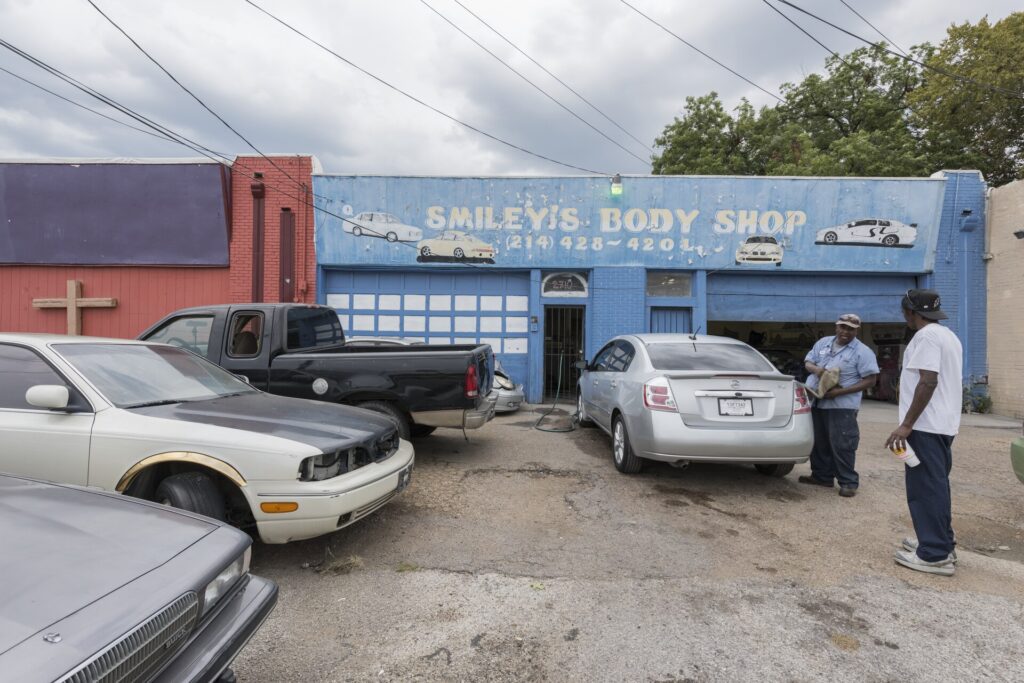
Photo: Carol M. Highsmith / Wikimedia Commons, Public domain
8. Reassembly and testing
Reassembly is the most enjoyable phase, but it needs patience. Take care not to scratch the new paint. Once the car starts, do many short drives to find leaks, noises and adjustments that are needed. The first few hundred kilometres are part of the restoration.
A final tip
Do not let perfectionism stop you. A car that is on the road and enjoyed is worth more than a “perfect” project that is never finished. And when you drive it for the first time, you will understand that every hour in the garage was worth it.
P.Kefalas