
A car you fill with tap water and drive from one side of America to the other. It sounds like a dream, and for thousands of people it remains a dream that “someone” wanted to bury. At the centre of this story is Stanley Meyer, an American inventor from Ohio. It is worth looking at what he claimed, and what we know today.
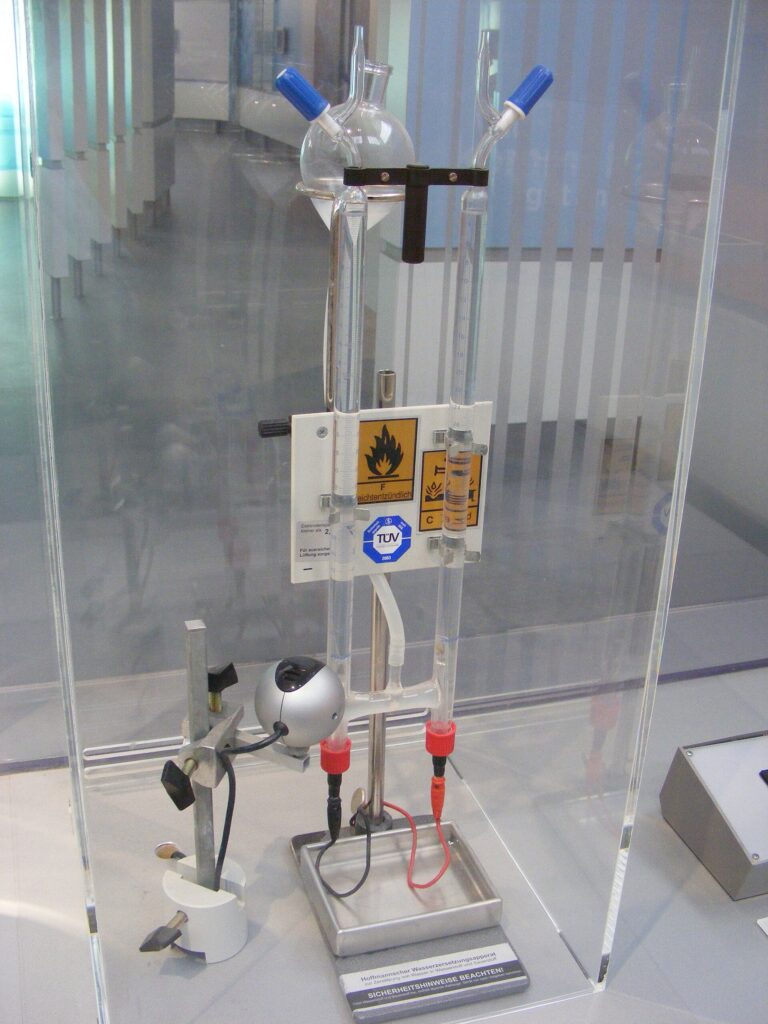
Photo: Mattes / Wikimedia Commons, CC BY-SA 3.0
The claim
Stanley Allen Meyer was born in 1940 and lived in Grove City, Ohio. From the 1980s he claimed to have invented a “water fuel cell”, a device that split water into hydrogen and oxygen using far less energy than physics allows. The hydrogen would then burn in the engine and drive the car.
Meyer showed a dune buggy that he said ran on water, and claimed it could cross the USA on about 22 US gallons of water. He gave lectures, appeared in television reports and raised money from investors to develop the idea.
What physics says
The problem is fundamental. Water is not a fuel. It is, in a sense, the “ash” left when hydrogen burns. To split water back into hydrogen and oxygen, you need at least as much energy as you get back when the hydrogen burns again. In practice you need more, because there are always losses.
A car that took the energy for electrolysis from its own engine would therefore be a perpetual motion machine. And no such machine has ever worked, because it would break the most basic laws of thermodynamics.
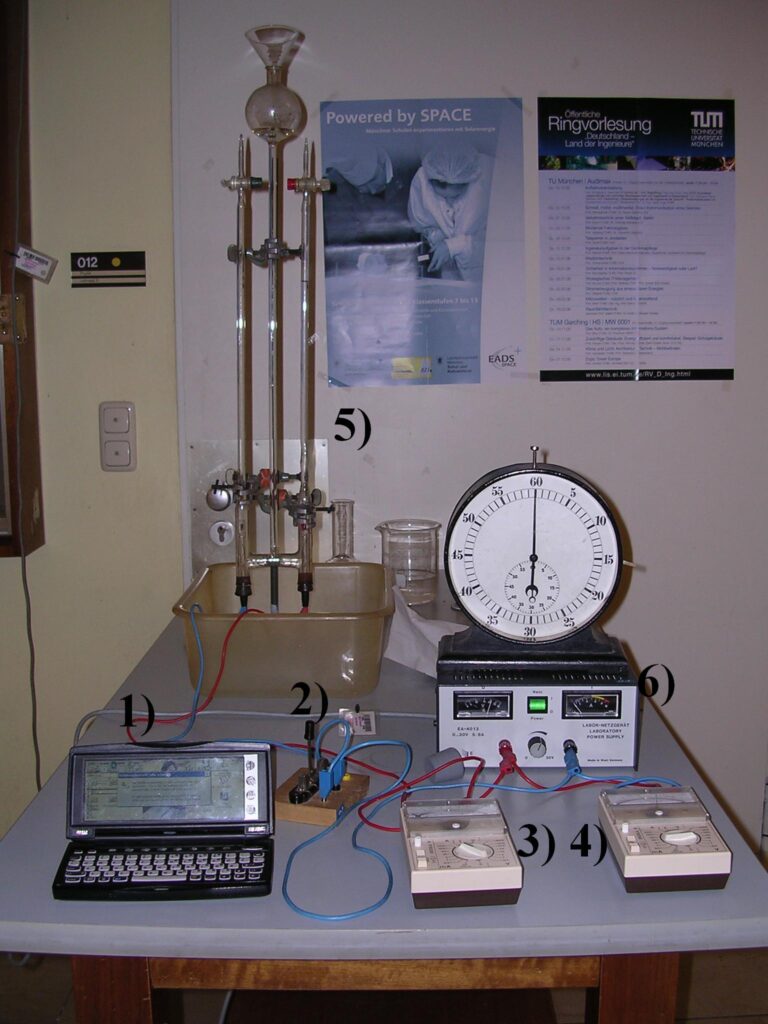
Photo: No machine-readable author provided. HardDisk assumed (based on copyright claims). / Wikimedia Commons, Public domain
The 1996 court case
In 1996 two investors who had given Meyer money took him to court in Ohio. The court asked experts to examine the famous cell. The experts concluded there was nothing revolutionary about it: it was simple, ordinary electrolysis. The judge ruled that Meyer had committed “gross and egregious fraud” and ordered him to return the investors’ money.
The death and the legend
In March 1998 Meyer suddenly collapsed in a restaurant and died. According to witnesses, he cried out that he had been poisoned. The coroner attributed his death to a cerebral aneurysm. From that moment, however, a legend was born that lives on online to this day: that oil companies or governments eliminated him to hide his invention.
It is understandable why this story moves people. We would all like a cheap, clean fuel. But almost three decades later, nobody has managed to reproduce Meyer’s results, even though his designs circulate freely. Hydrogen is indeed a promising fuel for the future, but it has to be produced with energy from somewhere else.
The story of Stanley Meyer reminds every car enthusiast of something useful: when an invention sounds too good to be true, it usually is.
P.Kefalas